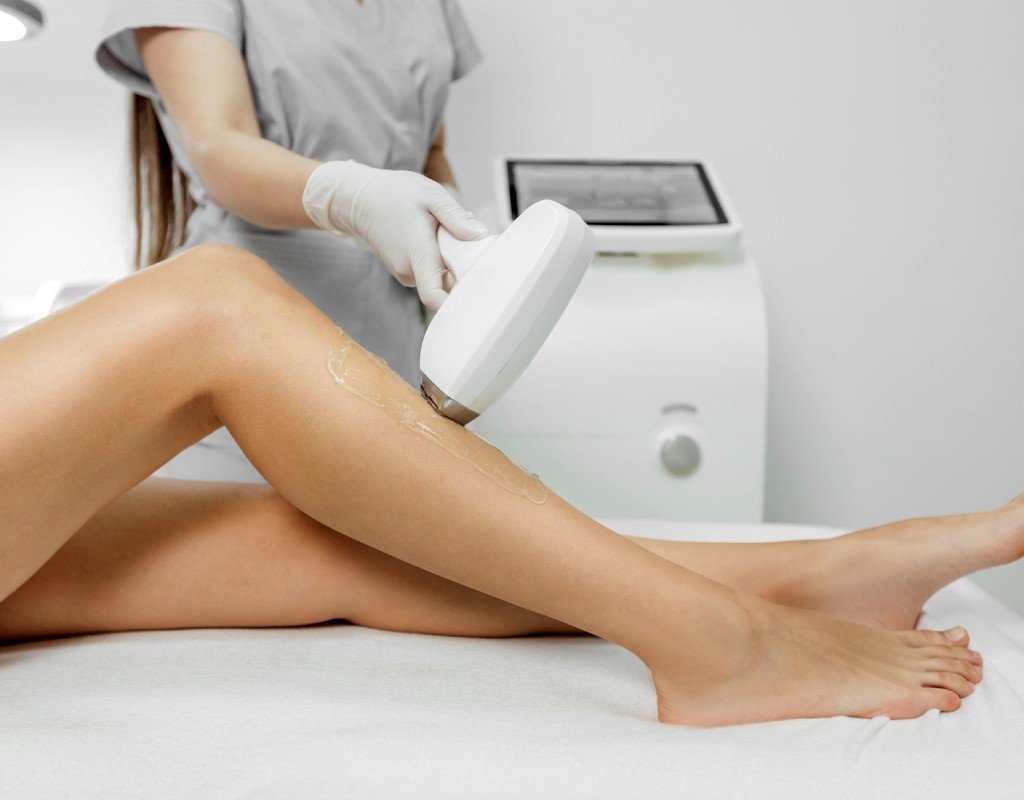
Bleeding and bumps after waxing are not uncommon, and they can be considered normal in some cases. However, the extent to which these occur and whether they are deemed normal can vary based on several factors.
To reduce the likelihood of bumps after waxing, it’s essential to maintain good hygiene, exfoliate the skin regularly, and avoid tight clothing that can irritate the skin.
When to Seek Professional Advice:
- While minor bleeding and bumps can be considered normal after waxing, there are situations where you should seek professional advice:
- Excessive bleeding that doesn’t stop.
- Signs of infection, such as redness, swelling, pus, or increasing pain.
- Severe or painful ingrown hairs.
- Allergic reactions to wax or other products used during the process.
- If you have concerns about bleeding and bumps after waxing, or if you experience any unusual or severe symptoms, it’s a good idea to consult a dermatologist or a professional esthetician for guidance and treatment.
In general, proper waxing techniques, good aftercare, and understanding your skin’s sensitivity can help minimize the occurrence of bleeding and bumps after waxing.
Are bleeding and bumps after waxing normal?
Bleeding during or after waxing typically occurs when the hair is removed from the follicle. This can sometimes cause tiny blood vessels near the hair follicles to break, resulting in minor bleeding. Factors that contribute to bleeding after waxing include hair thickness, skin sensitivity, and the experience of the waxing technician.
As for bumps after waxing, they are also relatively common. These can manifest as redness, small pimples, or ingrown hairs. Several factors contribute to the development of bumps after waxing, including skin sensitivity, ingrown hairs, improper aftercare, and the possibility of infection due to inadequate sanitation.
While minor bleeding and bumps can be considered normal after waxing, there are situations where you should seek professional advice:
- Excessive bleeding that doesn’t stop.
- Signs of infection, such as redness, swelling, pus, or increasing pain.
- Severe or painful ingrown hairs.
- Allergic reactions to wax or other products used during the process.
- If you have concerns about bleeding and bumps after waxing, or if you experience any unusual or severe symptoms, it’s a good idea to consult a dermatologist or a professional esthetician for guidance and treatment.
In general, proper waxing techniques, good aftercare, and understanding your skin’s sensitivity can help minimize the occurrence of bleeding and bumps after waxing. These concerns can often be managed with proper care and do not necessarily indicate a problem with the waxing process itself.
Conclusion
Waxing is an effective and long-lasting method for hair removal. By understanding the various types of waxing, its benefits, and following the right techniques, you can achieve a smooth and hair-free look.
Whether you choose professional waxing like Time2wax or opt for at-home solutions, it’s important to consider your individual needs and preferences when deciding which waxing method is best for you. When it comes to bleeding and bumps after waxing, while they can be normal, it’s essential to monitor and address any unusual or severe symptoms promptly.
FAQs
Is waxing in the winter a good idea?
Yes, winter is actually a great time for waxing since sun exposure is lower, reducing the risk of irritation and pigmentation after hair removal.
Does waxing hurt more in winter?
Skin can be drier and more sensitive in winter, which may make waxing feel slightly more uncomfortable. Proper moisturizing and exfoliation can help reduce discomfort.
How should I prepare my skin for waxing in winter?
Keep your skin well-moisturized, gently exfoliate a day before your appointment, and avoid very hot showers right before waxing to prevent extra sensitivity.
Is it important to moisturize after waxing in winter?
Yes, moisturizing is essential in winter to soothe dryness and keep the skin smooth after waxing. Use gentle, fragrance-free lotions or oils.
Can waxing help with dry winter skin?
Waxing can help remove dead skin cells along with hair, acting as a mild exfoliation. However, proper aftercare and hydration are necessary to maintain healthy skin.